

A Ranking System That Now Rewards Fewer Pages, Real Expertise, and Better Content
Apartments.com lost roughly a quarter of its Google visibility this spring. Apartment Guide lost more than half. Apartment Finder dropped 43%. Rent.com fell 37%.
That’s not a typo. That’s the March 2026 core update.
For a decade, the playbook for filling units has been simple: pay an ILS platform, ride their traffic, get leads. That playbook just got a lot more expensive, not because the platforms raised their rates, but because Google quietly stopped sending them the same renters.
And the platforms aren’t the only ones feeling it. Apartment communities running templated location pages, generic SEO content, and high-volume keyword strategies are seeing their own visibility drop. Google’s 2026 updates aren’t a tweak. They’re a reset.
Update #1: The End of Long-Tail Content Sprawl
For years, savvy multifamily marketers (Swifty included) leaned hard into long-tail SEO. The logic was sound: a renter searching “pet friendly 2 bedroom apartments near downtown Dallas” was high intent, and a page targeting that exact phrase could rank, convert, and feed the leasing pipeline.
So we built lots of those pages. One per bedroom count. One per neighborhood. One per amenity. The strategy worked because Google rewarded content that matched specific search queries.
That has changed.
The March 2026 core update specifically targets what Google calls “scaled content abuse” which is mass-produced pages with slight keyword variations that don’t carry meaningfully different value. A page for “1 bedroom apartments near Uptown” followed by another for “2 bedroom apartments near Uptown” followed by another for “3 bedroom apartments near Uptown” now reads to Google like clutter, not coverage.
Industry SEOs have confirmed the pattern: sites built on templated location pages that swap in city names without offering anything unique are seeing the biggest ranking losses.
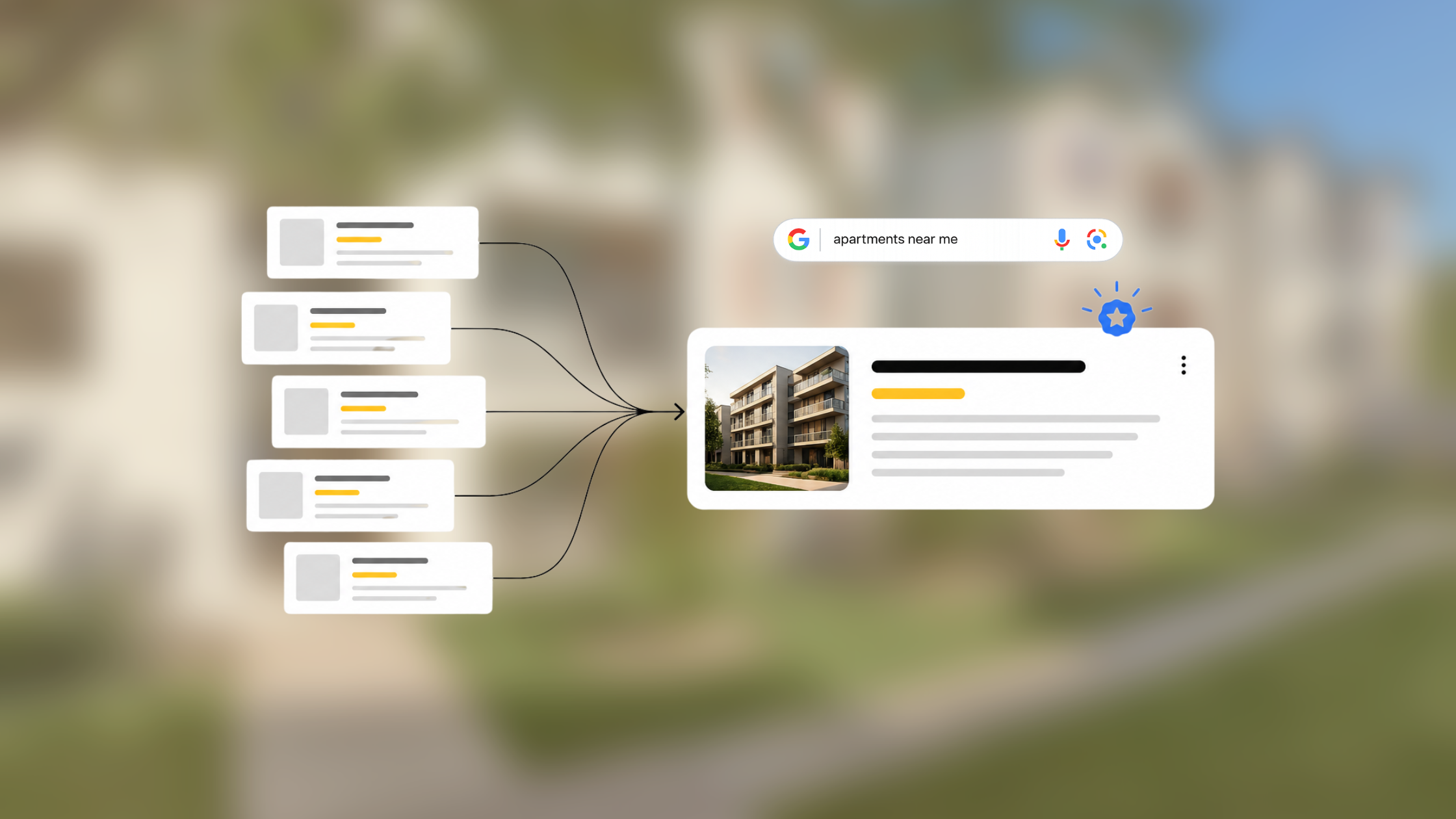
The fix isn’t fewer pages. It’s fewer-but-stronger pages. Consolidate the variations into one page that genuinely covers the topic with local depth. “Apartments near Uptown” that actually explains what living near Uptown is like will outperform three skinny pages every time.

Update #2: Pages Now Need a Named, Verifiable Human Approver
The second shift is bigger than most people realize.
Google’s 2026 direction makes one thing clear: every page should be tied to a real, identifiable person whose expertise can be confirmed off the page. Anonymous content, or content attributed to a generic “editorial team,” is losing ground regardless of how good the writing is.
This is the natural evolution of E-E-A-T (Experience, Expertise, Authoritativeness, Trustworthiness), but it’s escalated in two important ways:
- It now applies to every content type, not just YMYL (Your Money or Your Life) topics like health and finance.
- Google verifies author identity off-page. It cross-references LinkedIn profiles, professional registries, and publishing history to confirm the named person actually exists and has a track record in the subject area.
For multifamily, this means content like neighborhood guides, leasing tips, and local apartment pages need a visible approver bio attached. A real human, with a real name and verifiable credentials, attached to the page.

What This Actually Means for Your Property
Here’s the strategic shift to internalize:
Google is moving renter traffic past the middlemen and toward direct, brand-owned, expert-backed sites. ILS aggregators are losing visibility. Templated SEO content is losing visibility. Anonymous content is losing visibility.
Three things are gaining visibility:
- Direct property websites that demonstrate genuine local authority
- Pages consolidated around real topics rather than long-tail keyword variations
- Content tied to a named, verifiable human
If your marketing strategy still leans on ILS platforms as your primary traffic source, this update is your warning. Even the platforms themselves are struggling to hold their Google rankings. The renters they used to send you are increasingly finding properties through direct search and AI tools, and the communities winning those queries are the ones that own their traffic.
For more on how AI tools are reshaping renter behavior at the same time Google is shifting its rankings, see our breakdown on How AI Is Reshaping Apartment Search.
How Swifty Handles This
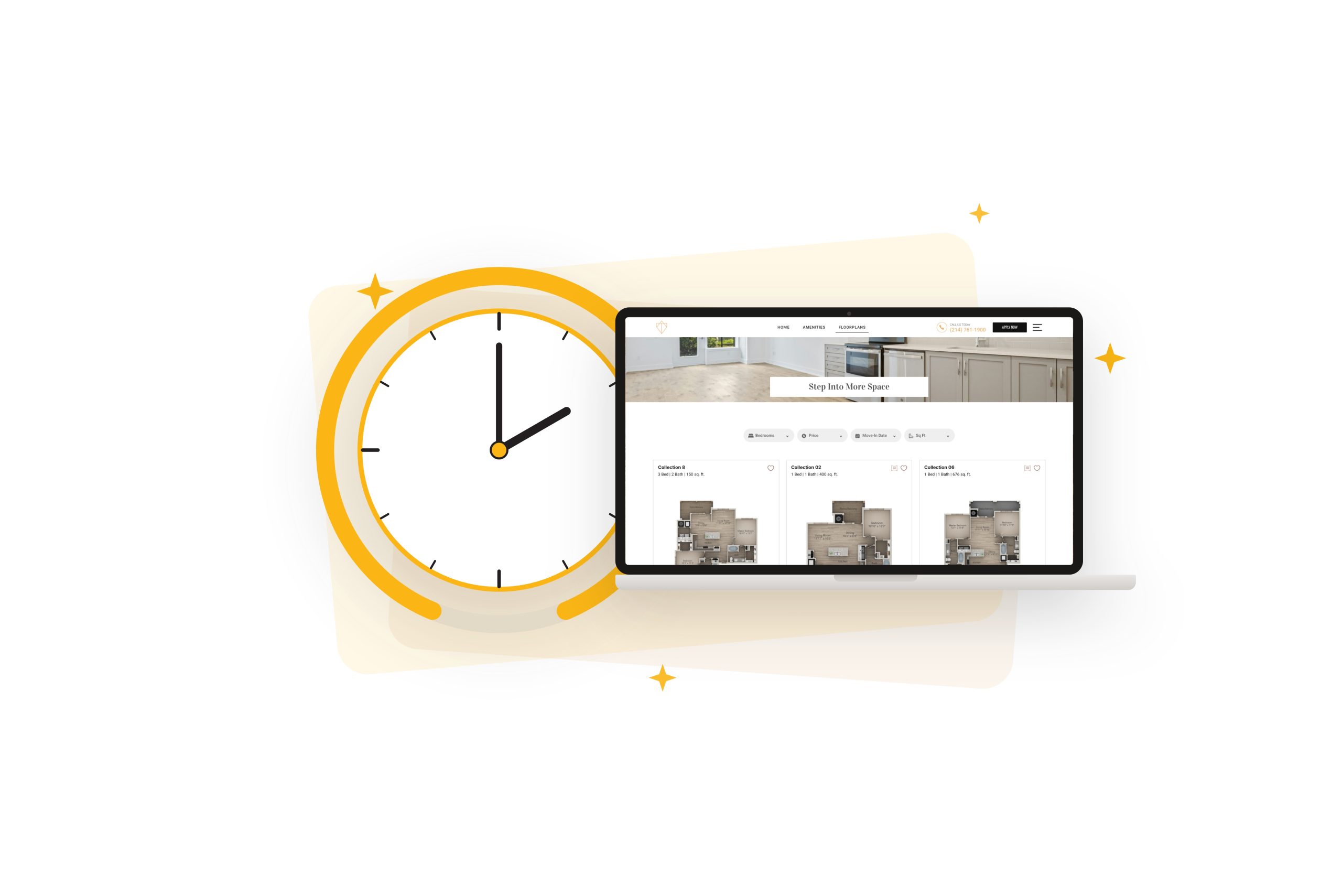
H.E.L.P. (Hyper-Effective Local Pages) was already built on the principle that apartment communities should drive their own traffic instead of renting it from listing platforms. The 2026 updates didn’t break that thesis. They sharpened it.
Here’s how we’re evolving H.E.L.P. and our Search360 service in response:
- Page consolidation. We’re merging variance pages — separate “1 bed near X,” “2 bed near X,” “3 bed near X” pages — into single, stronger “Apartments near X” pages that carry more weight with Google.
- Title regeneration. We’re regenerating page titles across every client portfolio to align with what Google now prioritizes: clear, specific, value-led titles over keyword-stuffed ones.
- Approver bios. We’re rolling out a system where every HELP page is tied to a named, verifiable approver — someone from your team or ours — with a visible bio that satisfies Google’s expectation of a real human behind the content.
- Search360 framework. Our SEO + GEO + AEO + AI visibility framework is built to adapt as Google, ChatGPT, and Gemini all change their rules in parallel. When the algorithms shift, your strategy shifts with them, without you needing to be the one watching every update.
- Real-time response. When Google moves, we move. The same week the March 2026 update hit our portfolio metrics, we were already rewriting the content engine behind HELP. That’s the cost of staying out in front.

The Bottom Line
Google’s 2026 updates are the loudest message in years that the multifamily marketing playbook needs to change. Aggregators are losing visibility. Templated content is losing visibility. Anonymous content is losing visibility.
Communities that consolidate around genuine local expertise, attach a real human to their content, and own their direct traffic are the ones Google is now actively rewarding. The shift isn’t optional. It’s already underway.
Frequently Asked Questions
Should I stop using ILS platforms entirely?
Not necessarily, but treat them as one channel, not your primary one. The renters they used to reliably send are increasingly finding properties elsewhere. A balanced strategy invests in direct traffic so that your community is found whether a renter starts on Google, ChatGPT, or an ILS.
Will the merged HELP pages still rank for long-tail searches like “2 bedroom apartments near downtown”?
Yes, often better than the standalone pages did. A consolidated, deeper page can rank for many specific queries simultaneously, because Google now rewards comprehensive coverage over keyword-targeted thin content.
Who should the approver be on my pages?
Either a named member of your on-site team (a community manager, marketing manager, or owner) or a designated person from Swifty. The key is that the approver is a real person with a verifiable professional presence.
How long until I see the impact of the new HELP strategy?
Google rewards consistent, paced publishing more than sudden bursts. Expect early signal within a few weeks of the new pages going live, with stronger compounding gains over a 60 to 90 day window.